What is Hypertension?
Hypertension, also called high blood pressure, happens when the force of blood against your artery walls stays too high. Over time, this can damage your body. Many people do not notice symptoms at first. However, untreated high blood pressure can lead to serious health problems. Because of this, it is important to understand the complications of hypertension and how to prevent them.
Why Are Complications of Hypertension Important?
When blood pressure stays high, it puts extra strain on your heart and blood vessels. As a result, your organs can get damaged. Complications of hypertension can affect your heart, brain, kidneys, and eyes. In fact, the World Health Organization says high blood pressure is a leading cause of death worldwide. Therefore, knowing the risks helps you take steps to protect your health.
Common Complications of Hypertension
Uncontrolled hypertension can cause many problems. Below are some of the most common complications:
How to Recognize Warning Signs
Often, hypertension does not cause symptoms. Still, some warning signs may appear if complications develop. For example, you may notice:
If you notice any of these signs, seek medical help right away. Early action can save lives.
Diagnosis and Monitoring
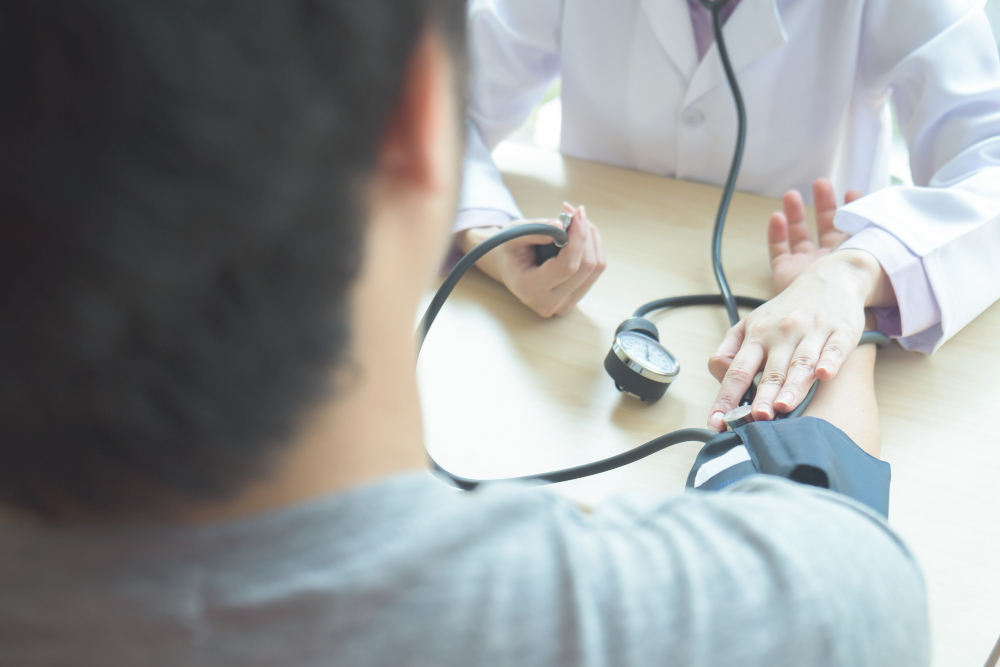
Doctors diagnose hypertension by checking your blood pressure with a cuff. Usually, they take several readings over time. Sometimes, you may need to check your blood pressure at home. Regular monitoring helps spot problems early. In addition, your doctor may order blood tests or heart checks to look for complications. Because high blood pressure can be silent, regular check-ups are important.
Prevention and Lifestyle Tips
Fortunately, you can lower your risk of hypertension complications. Try these simple tips:
Even small changes can make a big difference. Over time, these habits help protect your heart and other organs.
When to Seek Medical Help
If you have high blood pressure, see your doctor for regular check-ups. However, if you notice chest pain, trouble breathing, sudden weakness, or vision loss, get help right away. These could be signs of a serious complication. Early treatment can prevent lasting damage.
In summary, understanding the complications of hypertension helps you take control of your health. Consult a healthcare professional for personalized advice on managing hypertension and its complications.